Deepak Varma
Updated 09 Dec 2024 · 6 min read
The inverter is the brain of your solar system — and the choice of inverter technology significantly affects how much electricity you generate over 25 years, particularly in homes with partial shading.
This guide compares string inverters, power optimizers (DC optimizers), and microinverters for Kerala homes — with specific recommendations based on your roof's shading situation.
Quick Summary
- String inverters: Most affordable, best for unshaded roofs, 97–98% efficiency
- Power optimizers + string inverter: Best for partially shaded roofs, better monitoring
- Microinverters: Maximum resilience, panel-level independence, highest cost
- For most Kerala homes: String inverter or optimizer combo recommended
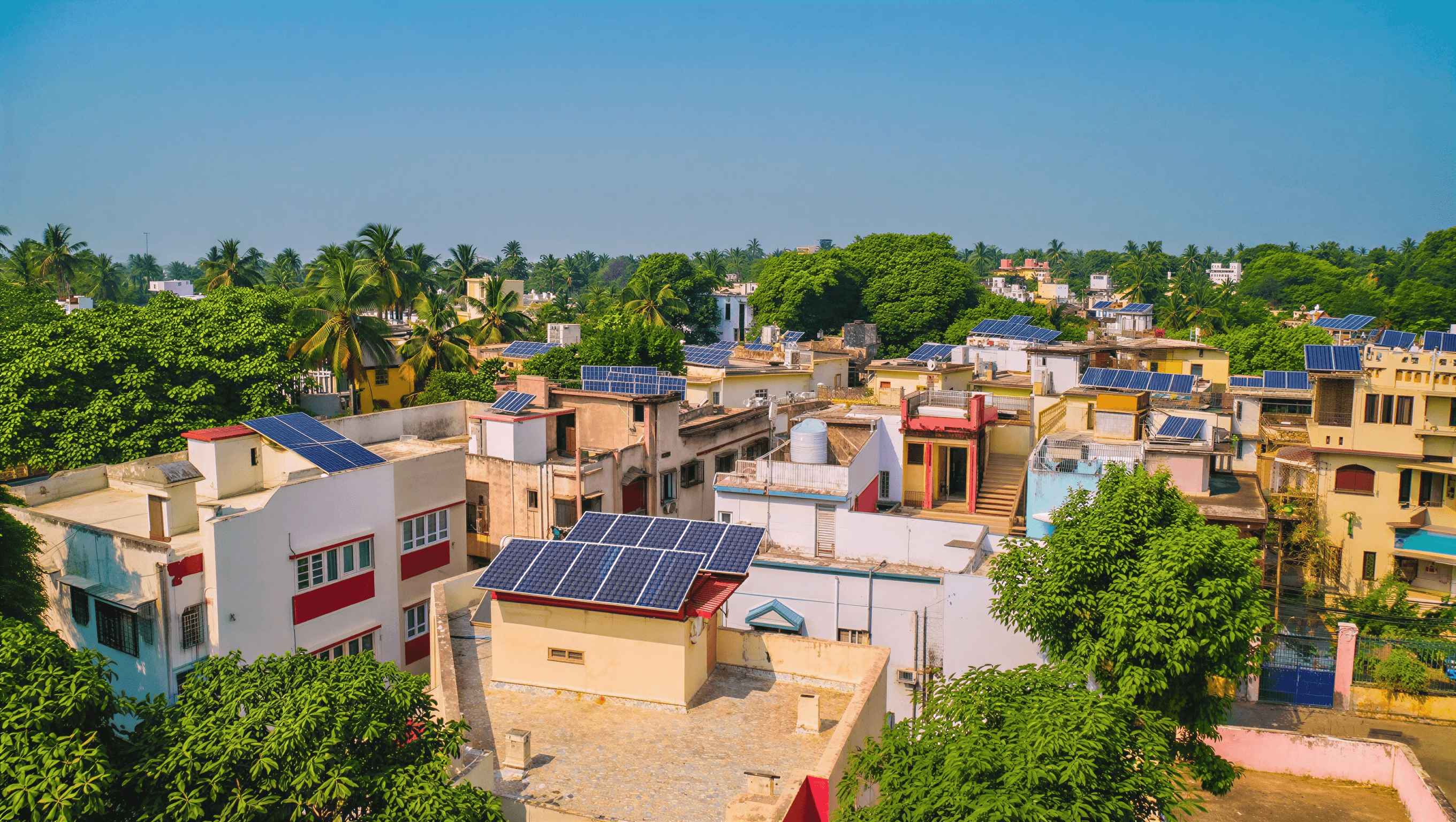
- Shading from coconut palms is the #1 reason to consider optimizers in Kerala
Which Inverter Setup Is Right for Your Roof?
Choosing the right inverter depends on your roof's shading situation and future plans. Use these criteria to identify your best option:
Unshaded, south-facing roof with single orientation: Standard string inverter — best value, no complexity needed
1–3 panels partially shaded by coconut palms or neighbouring walls: DC power optimizers on only those panels
Multiple roof orientations (east + west split): Power optimizers or microinverters for independent MPPT per panel
Heavy shading across most of the roof: Microinverters for maximum panel-level independence
Future battery storage planned: Hybrid inverter from the start — avoids a costly inverter replacement later
Check Subsidy Eligibility
Find out which government subsidies you qualify for.

Understanding Your Inverter Technology Options
The inverter converts your panels' DC electricity into usable AC power. The technology you choose affects not just cost, but how well your system handles Kerala's unique challenges — shading from coconut palms, high ambient temperatures, and occasional power cuts.
Here is a clear comparison of the four main inverter approaches available for Kerala rooftop installations.
| Technology | Ideal Roof Condition | Extra Cost vs String | Panel Monitoring | Battery Ready? |
|---|---|---|---|---|
| String Inverter | Unshaded, single orientation | Base price | System level | No (unless hybrid) |
| DC Power Optimizers | Partial shading | ₹25,000–₹35,000 | Panel level | No |
| Microinverters | Heavy shading / complex roof | ₹40,000–₹60,000 | Panel level | No |
| Hybrid Inverter | Any (future battery plans) | ₹8,000–₹15,000 | System level | Yes |
For most Kerala homes with clear south-facing roofs, a quality string inverter offers the best value. For homes with coconut palms or neighbouring structures causing partial shading on even 2–3 panels, DC power optimizers on those panels will recover their cost within 3–4 years.
The inverter is the brain of your solar system — and the choice of inverter technology significantly affects how much electricity you generate over 25 years, particularly in homes with partial shading. This guide compares string inverters, power optimizers (DC optimizers), and microinverters for Kerala homes — with specific recommendations based on your roof's shading situation.
Eligibility
The inverter is the brain of your solar system — and the choice of inverter technology significantly affects how much electricity you generate over 25 years, particularly in homes with partial shading. This guide compares string inverters, power optimizers (DC optimizers), and microinverters for Kerala homes — with specific recommendations based on your roof's shading situation.